
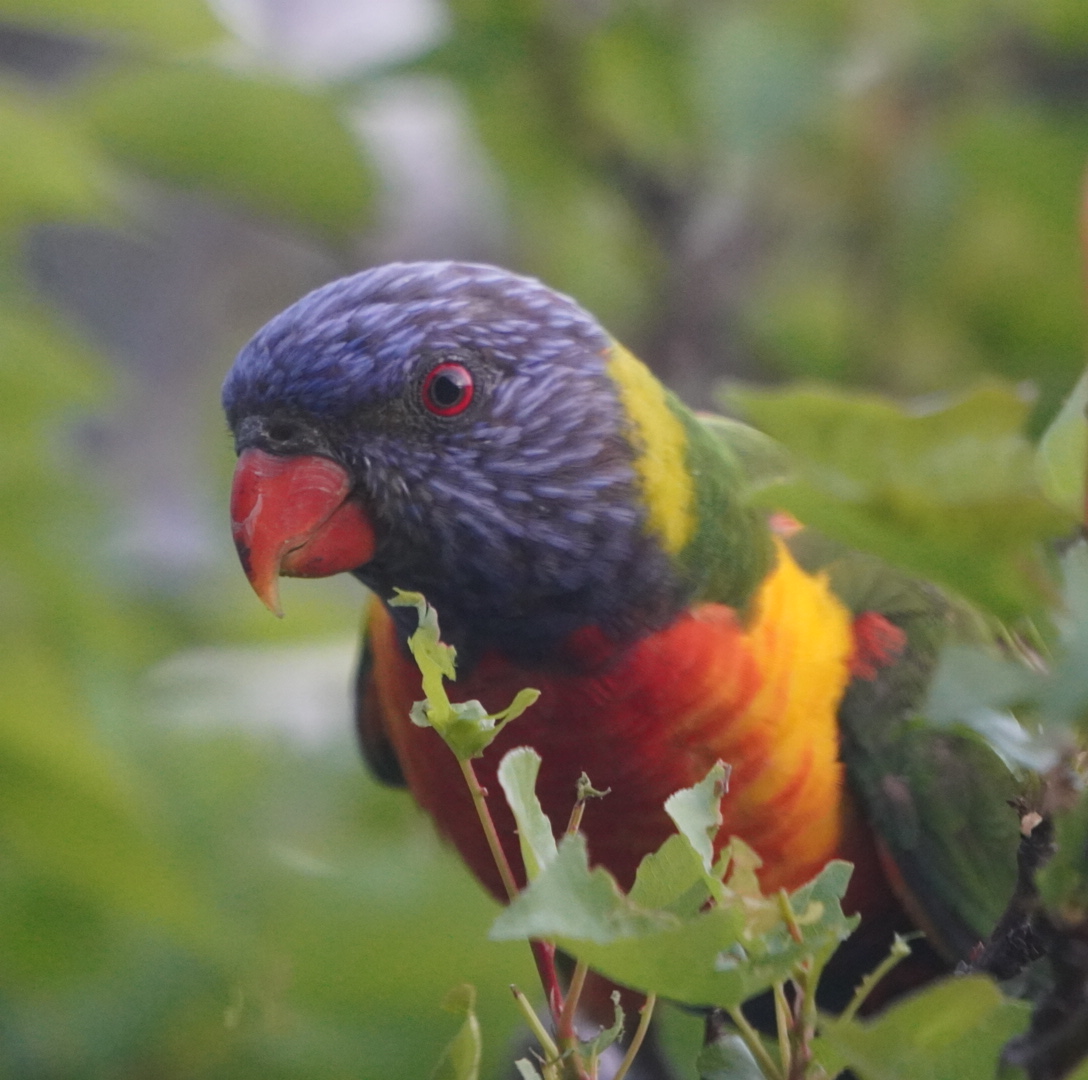
The Rainbow Lorikeet (Trichoglossus moluccanus) is a highly adaptable, vibrantly colored parrot native to Australia's eastern seaboard. It is distinguished by a specialized brush-tipped tongue evolved for a nectar-based diet, boisterous flocking behavior, and an aggressive nature that has led to it being classified as a pest outside its native range.
Executive Summary
Identification & Physiology
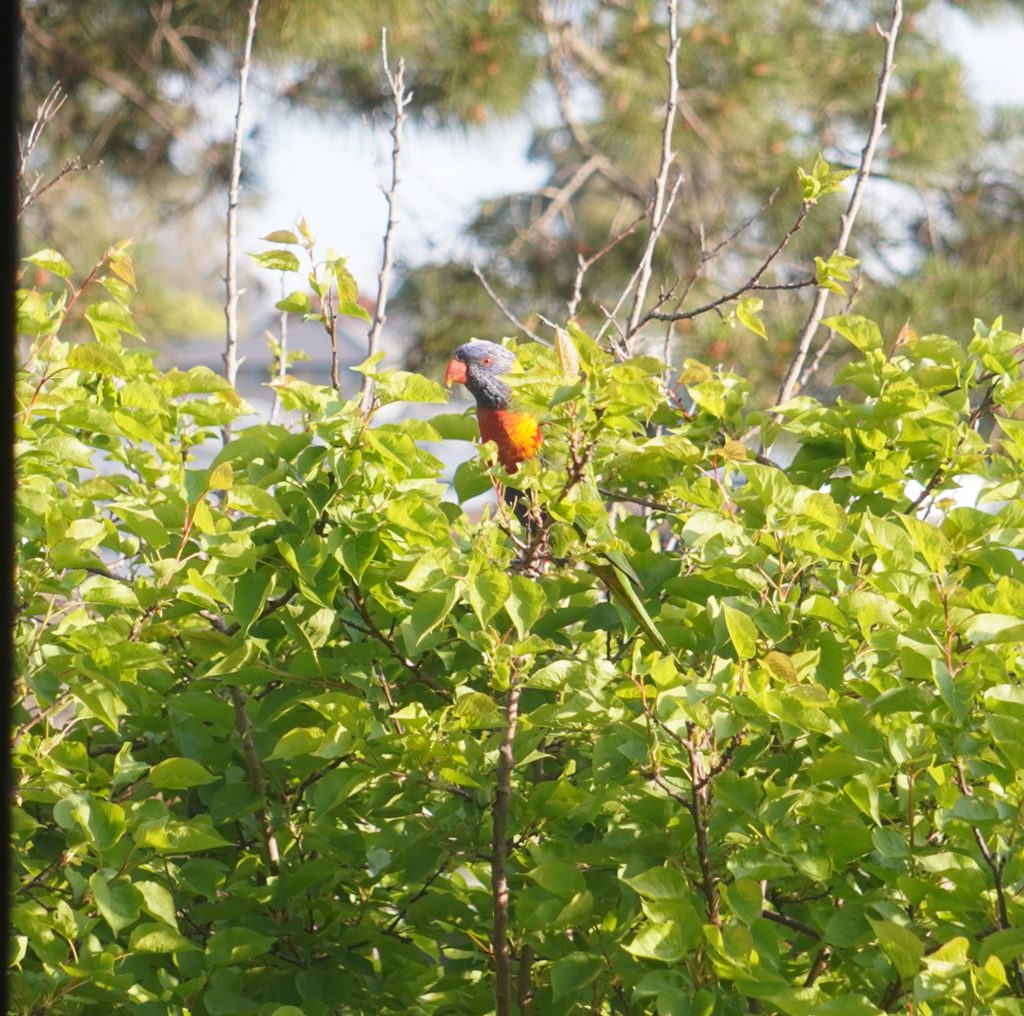
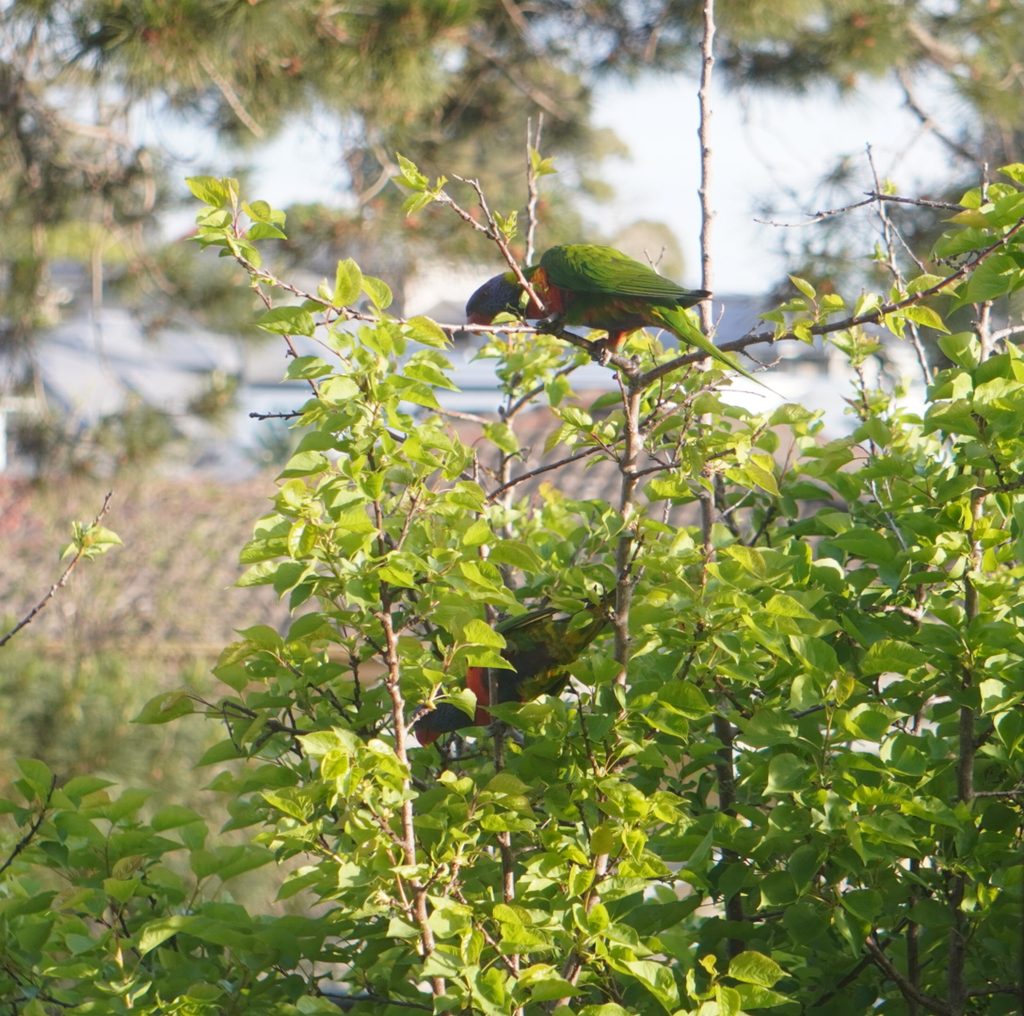
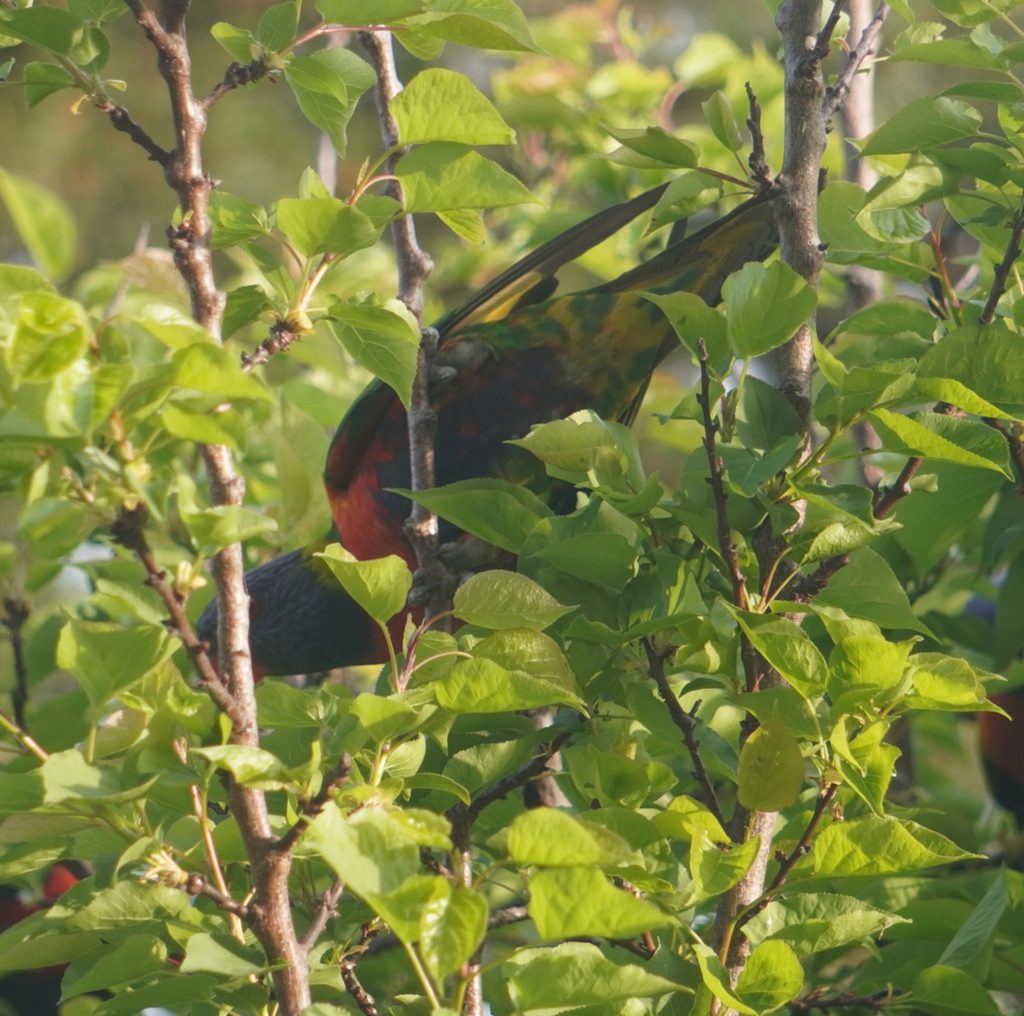
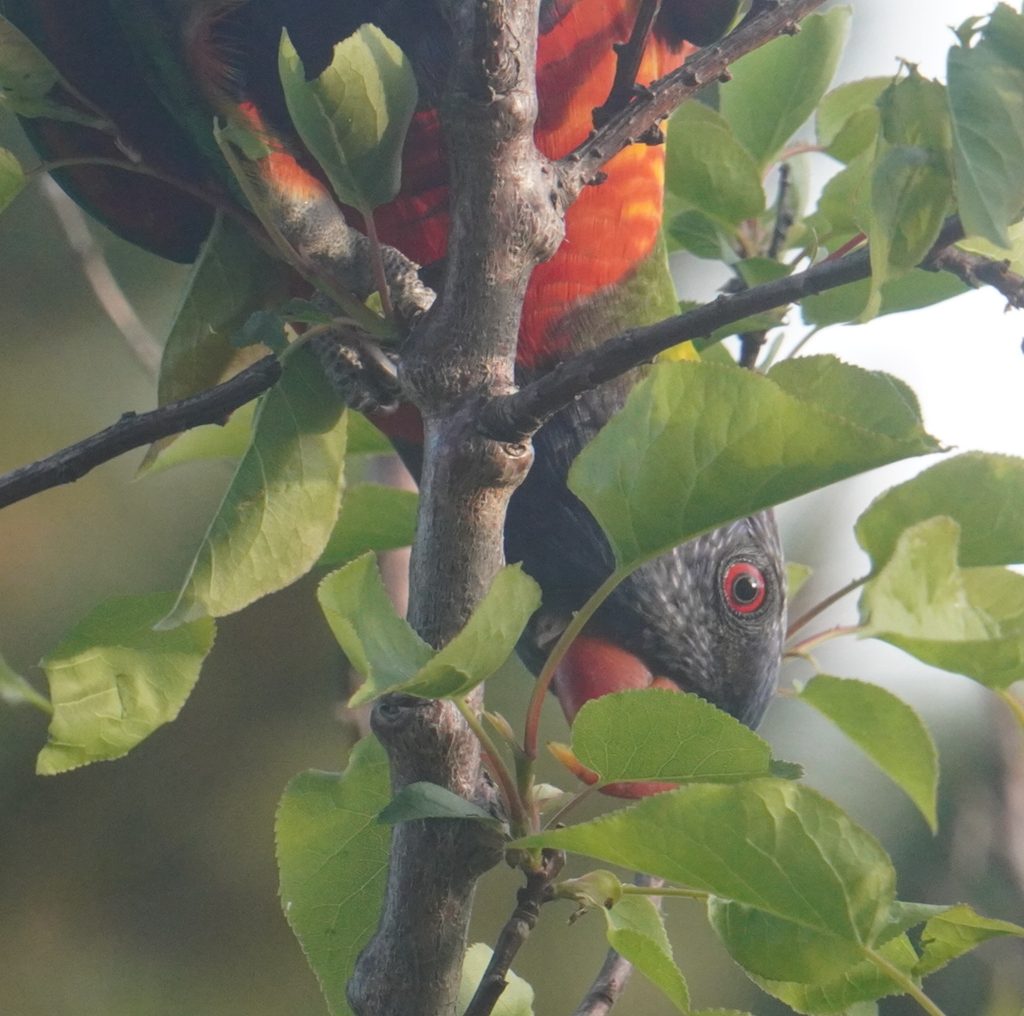
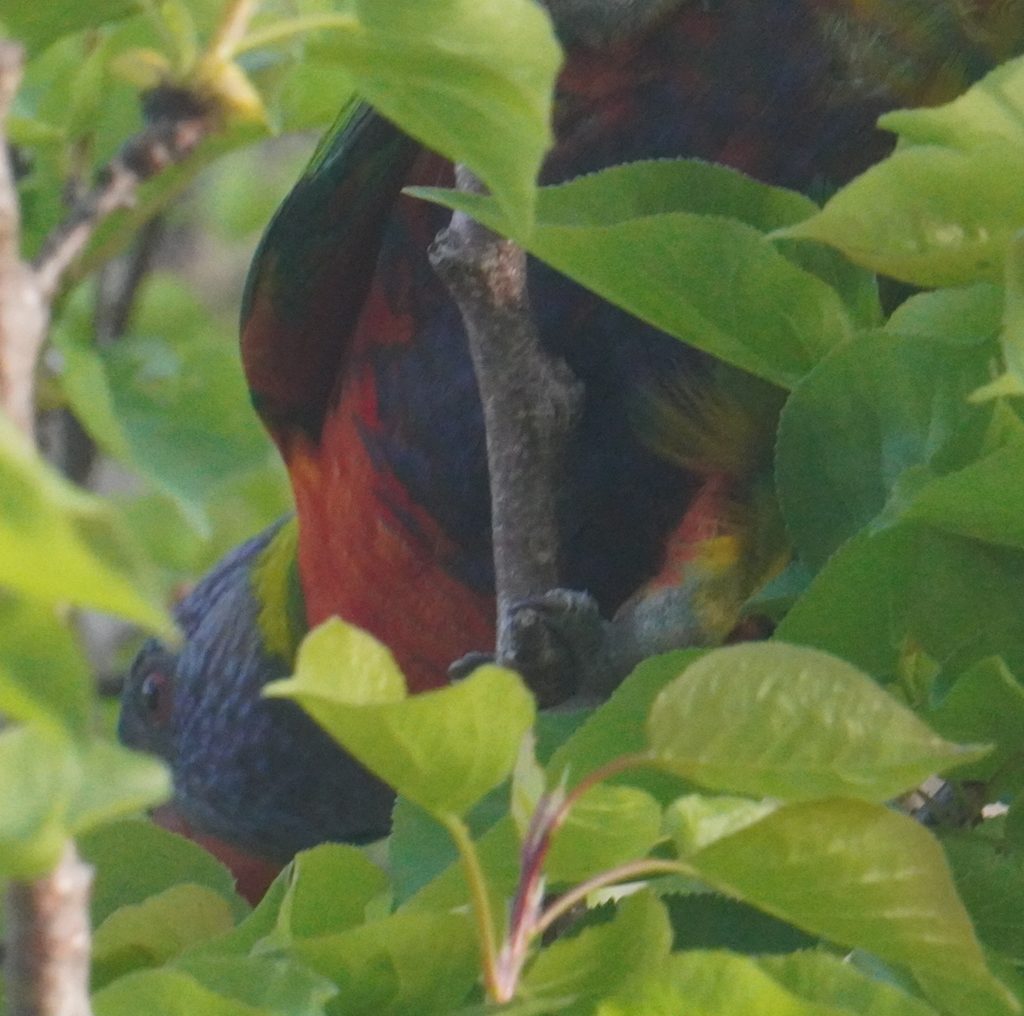
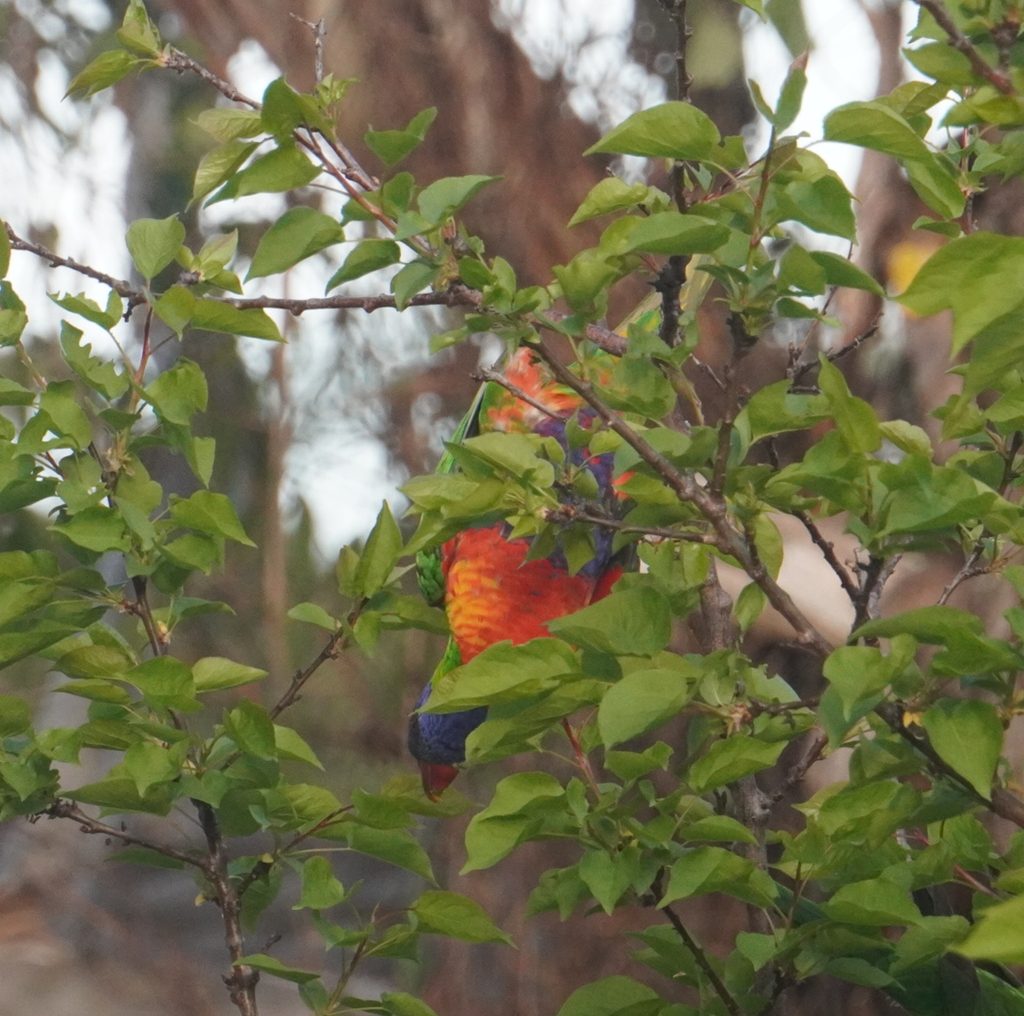
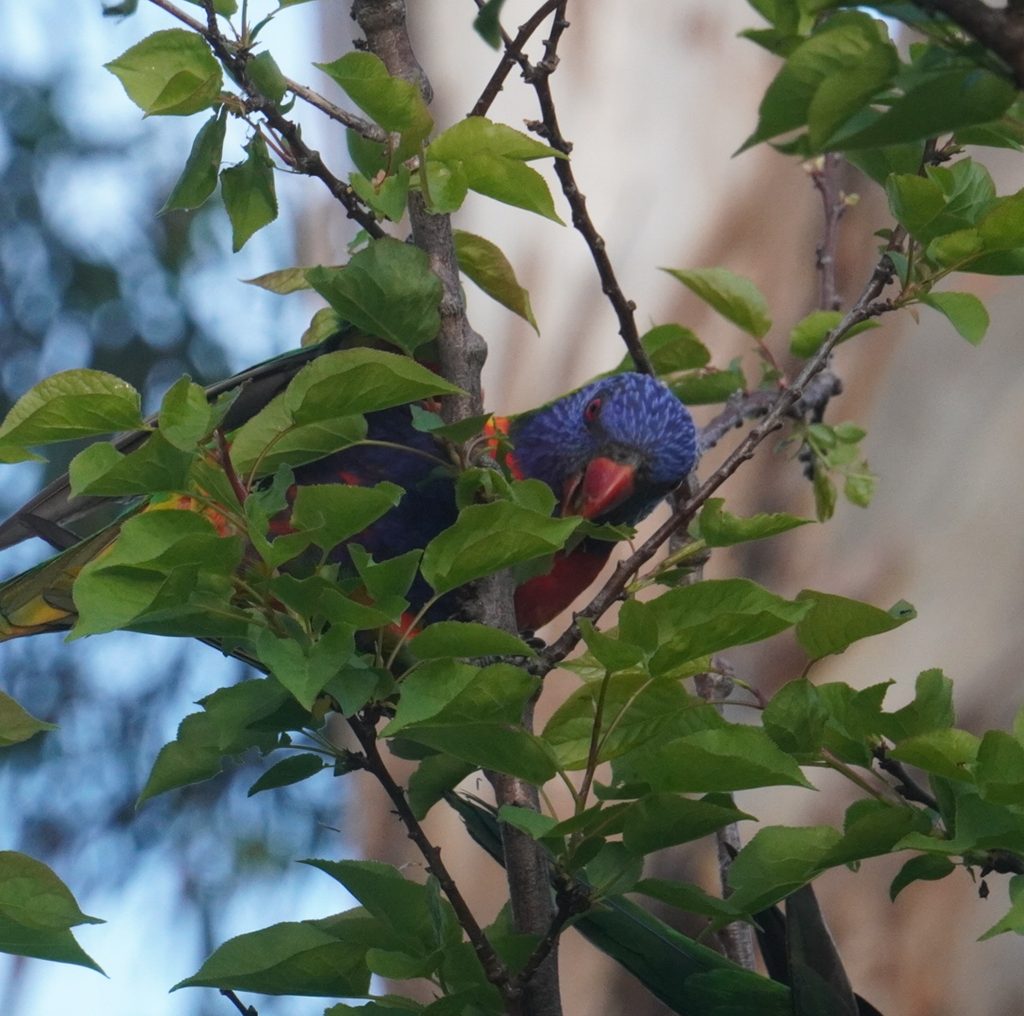
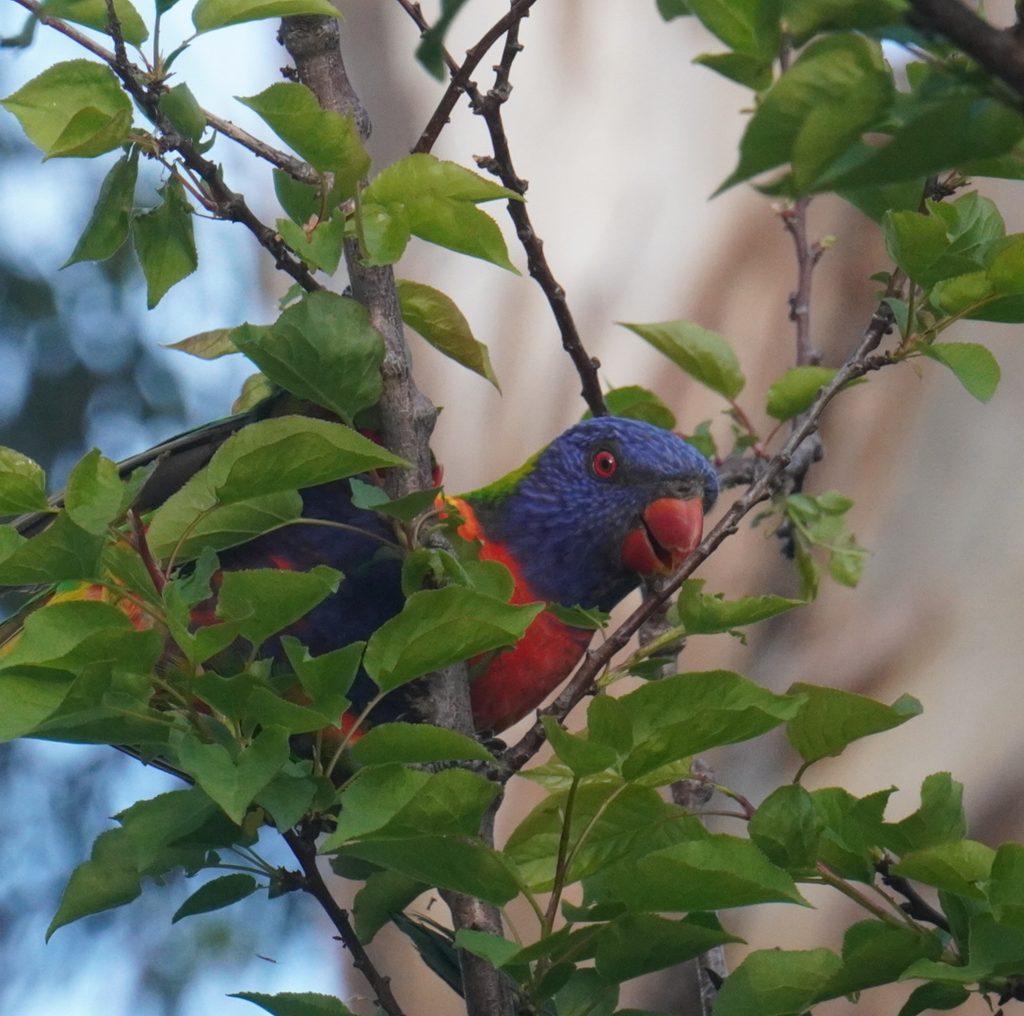
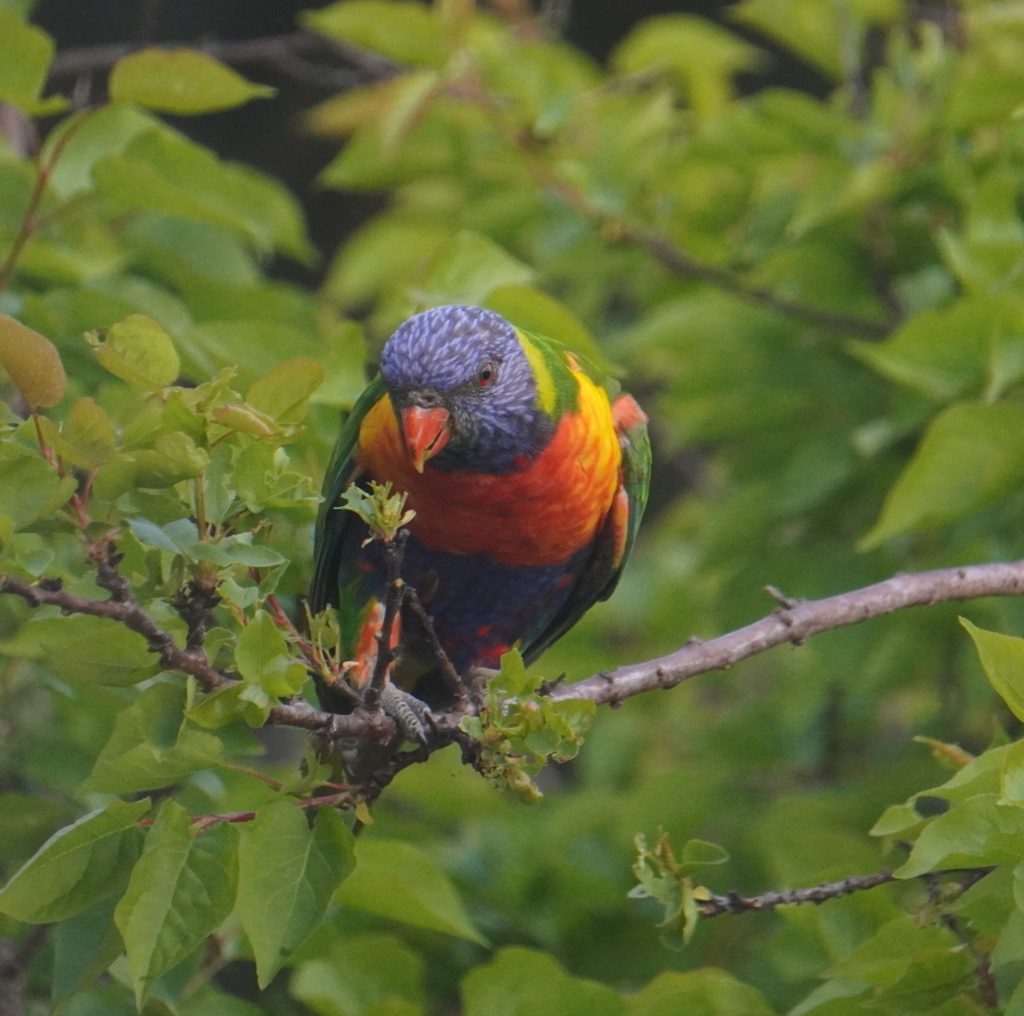
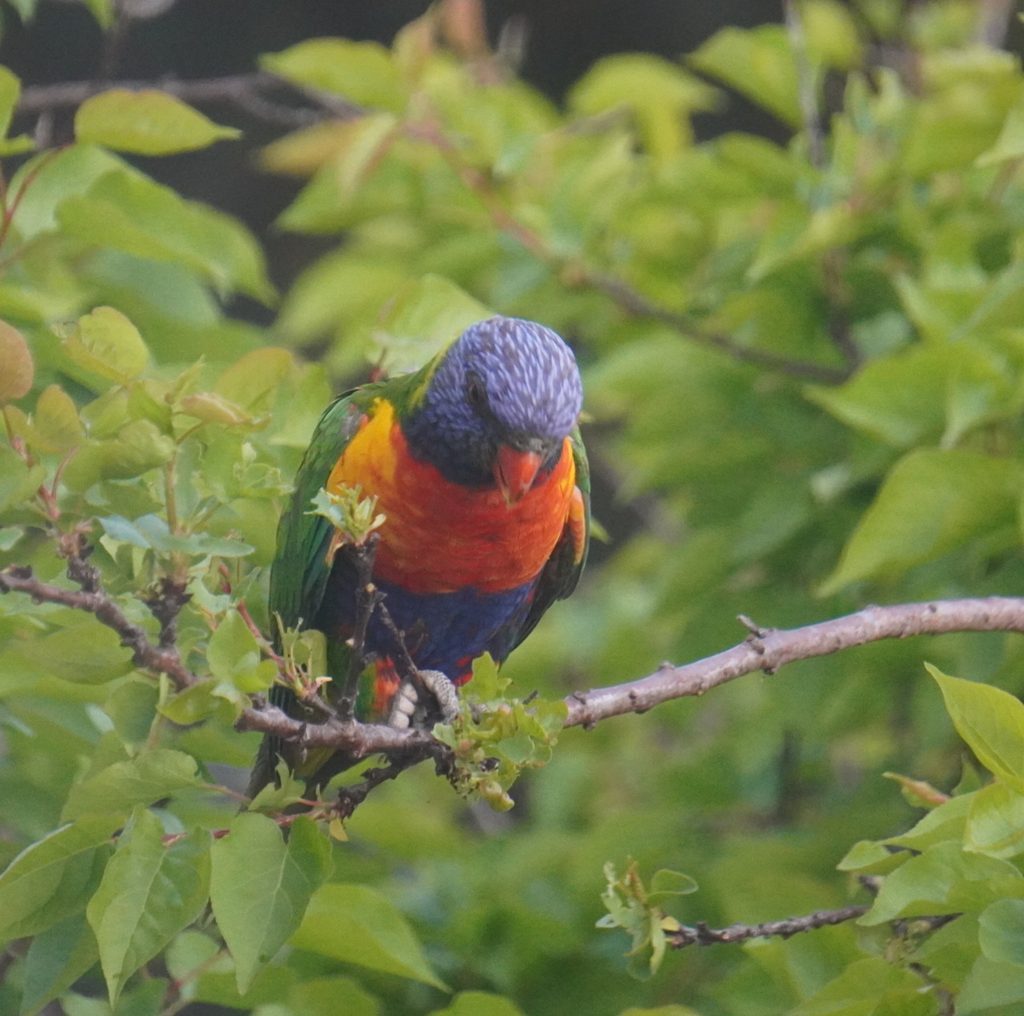
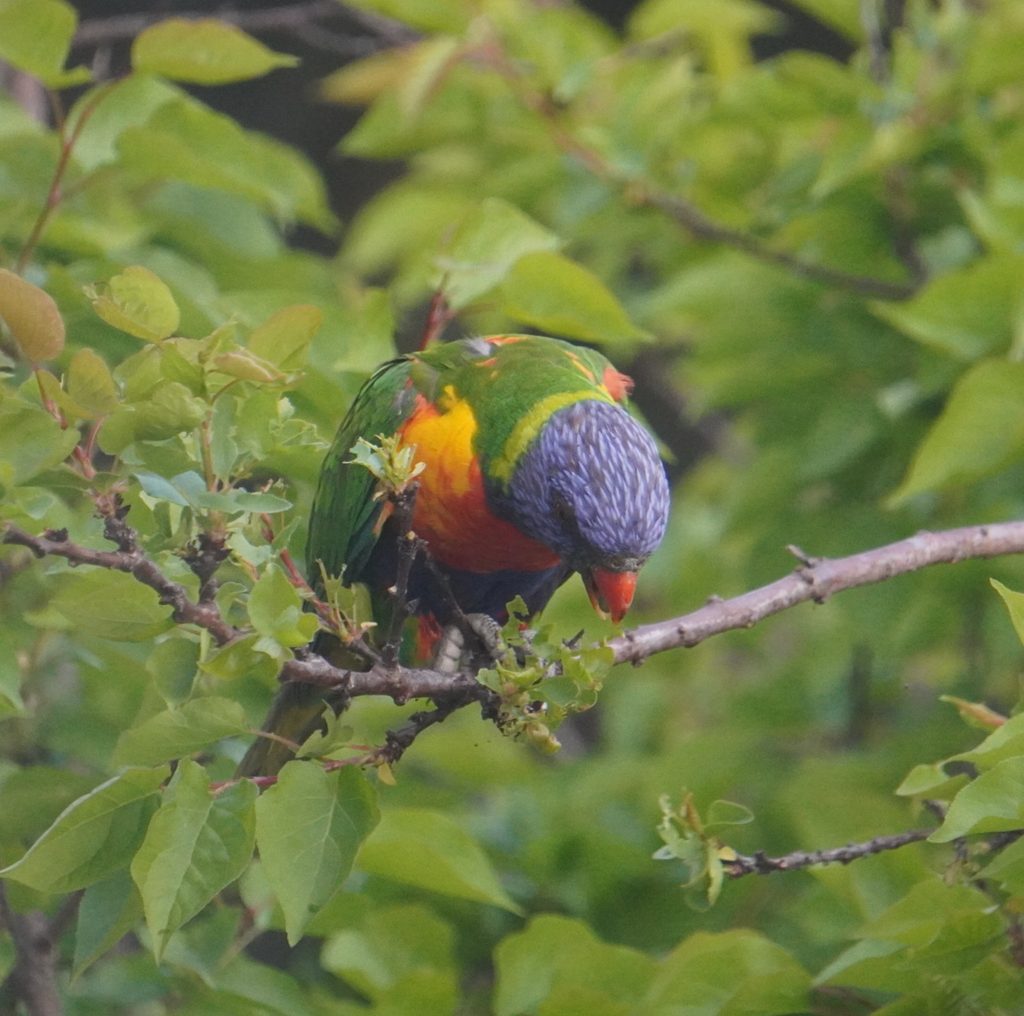
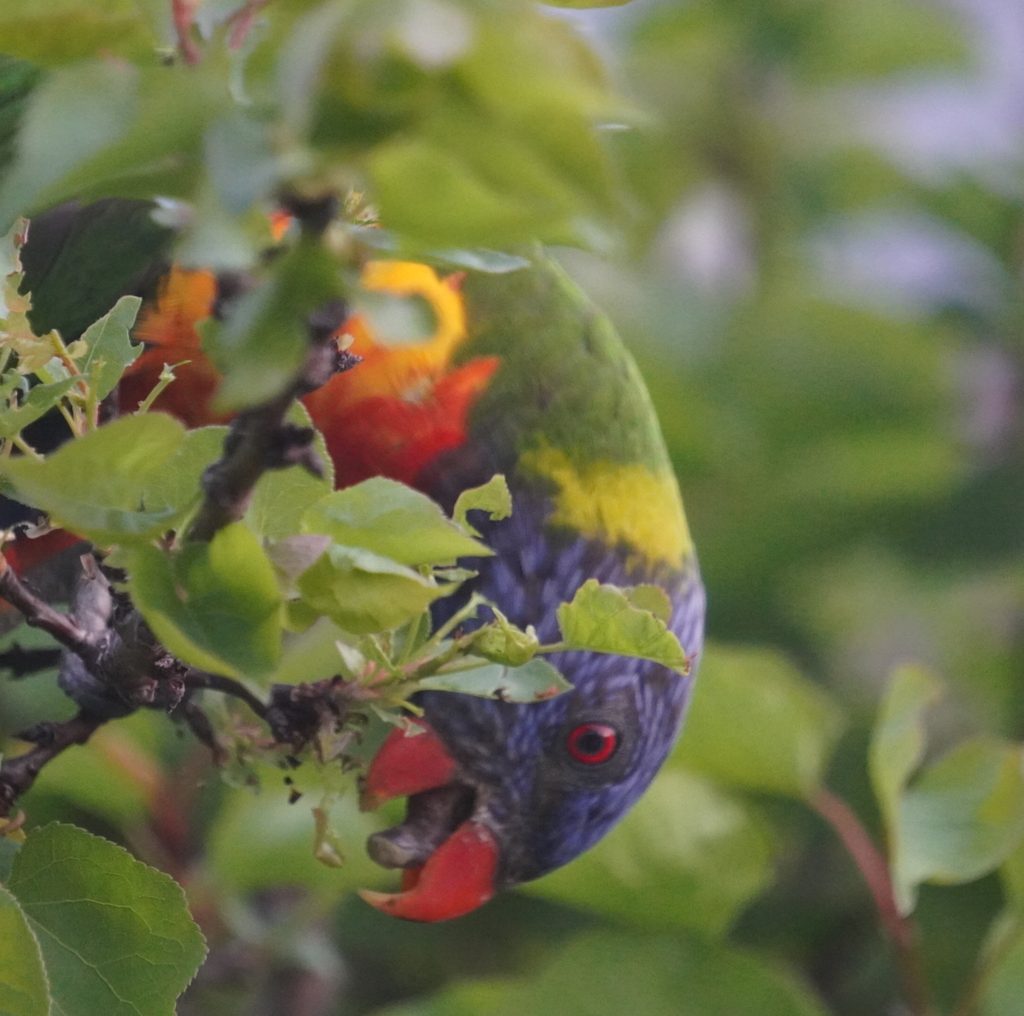
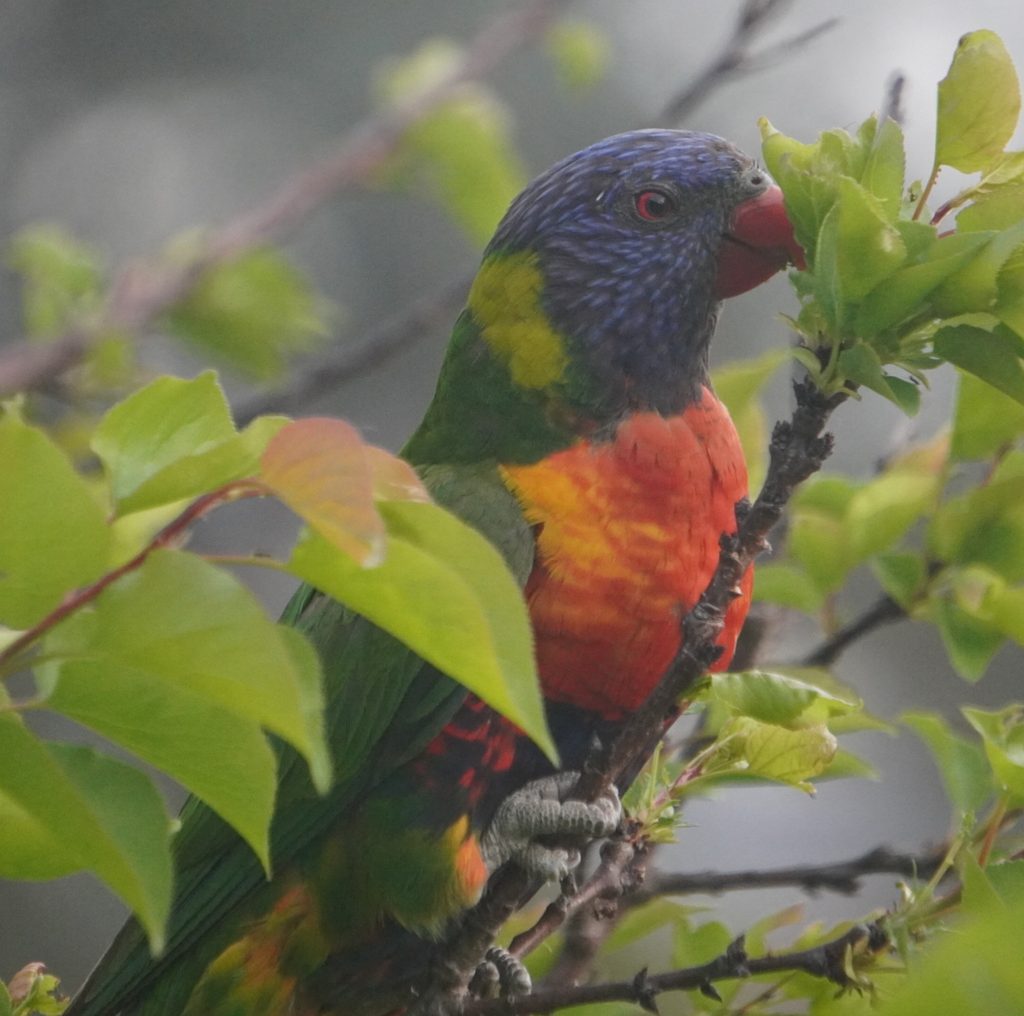
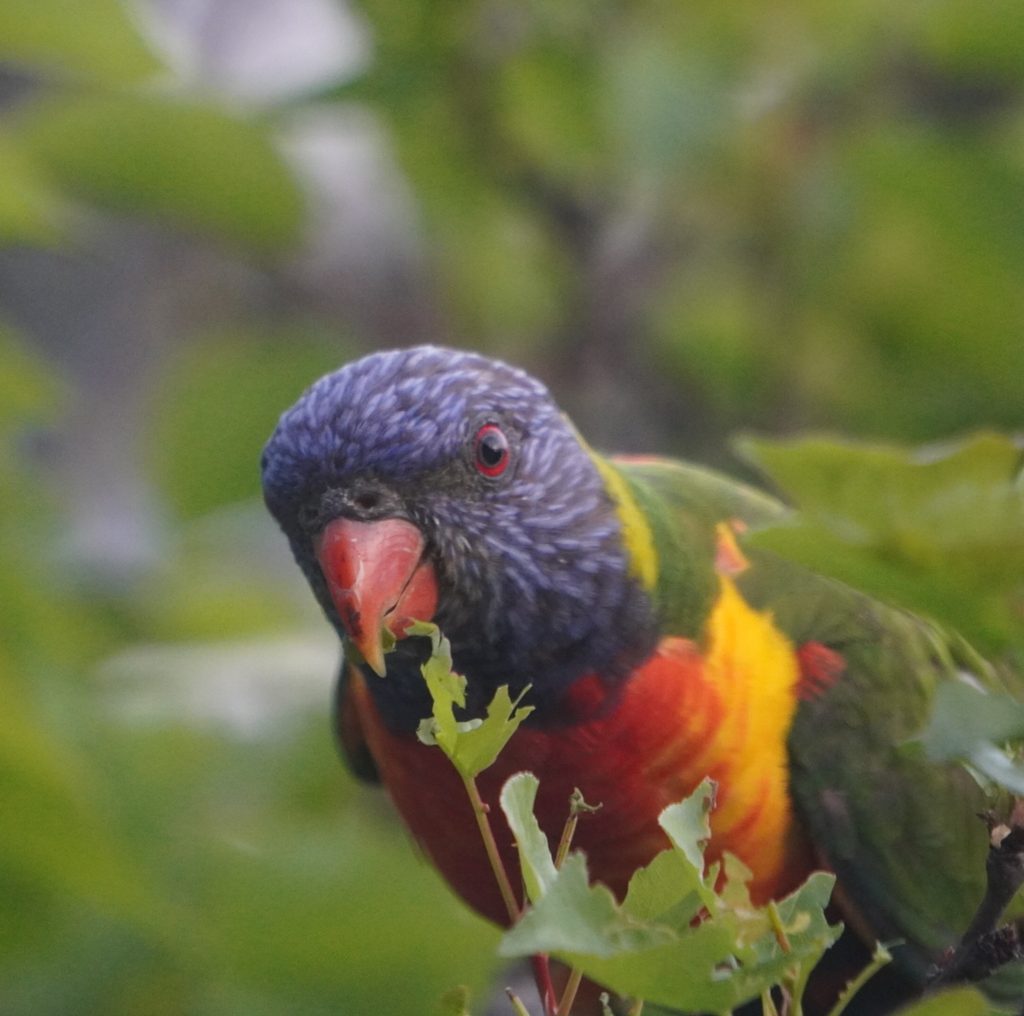
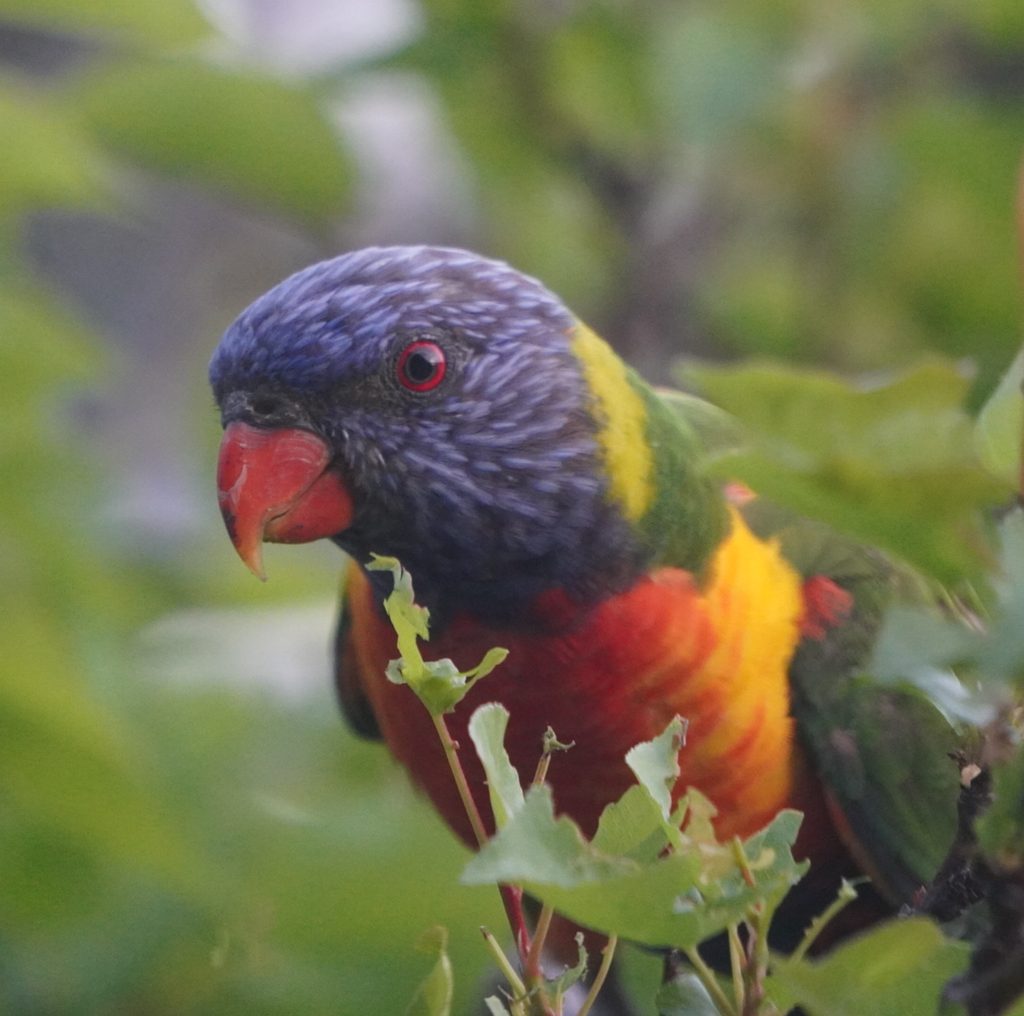
The Rainbow Lorikeet is easily recognized by its striking, multicolored plumage. The bird features a deep blue head and belly, a greenish-yellow nuchal collar, a bright orange-red breast, and bright green wings, back, and tail. Unlike seed-eating parrots, lorikeets possess a highly specialized anatomy for feeding: a unique brush-tipped tongue (papillae) designed to efficiently harvest nectar and pollen from flowering plants.
Diet & Ecological Role
Their diet relies primarily on the nectar and pollen of native flora, particularly eucalyptus, banksia, and grevillea trees, making them essential pollinators for these species. They supplement this diet with fruits, seeds, and insects. Because they follow flowering seasons, flocks are highly nomadic, moving rapidly across regions to locate food sources.
Habitat & Urban Adaptation
Originally inhabiting rainforests, coastal bush, and woodland areas across eastern Australia (from northern Queensland to South Australia, including dense populations throughout New Wales), they have proven exceptionally resilient to human expansion. They thrive in urban and suburban environments, often gathering in large, noisy roosting flocks at dusk in city parks and residential backyards.
Conservation & Threat Status
Within its natural range, the species is abundant and categorized as “Least Concern” by the IUCN. However, their high intelligence, adaptability, and aggressive territorial behavior present significant ecological challenges outside their native habitat. In regions such as Western Australia, Tasmania, and New Zealand, introduced populations are declared invasive pests because they aggressively outcompete local bird species for food and critical nesting hollows, and can cause significant damage to commercial fruit orchards.
Leave a Reply