




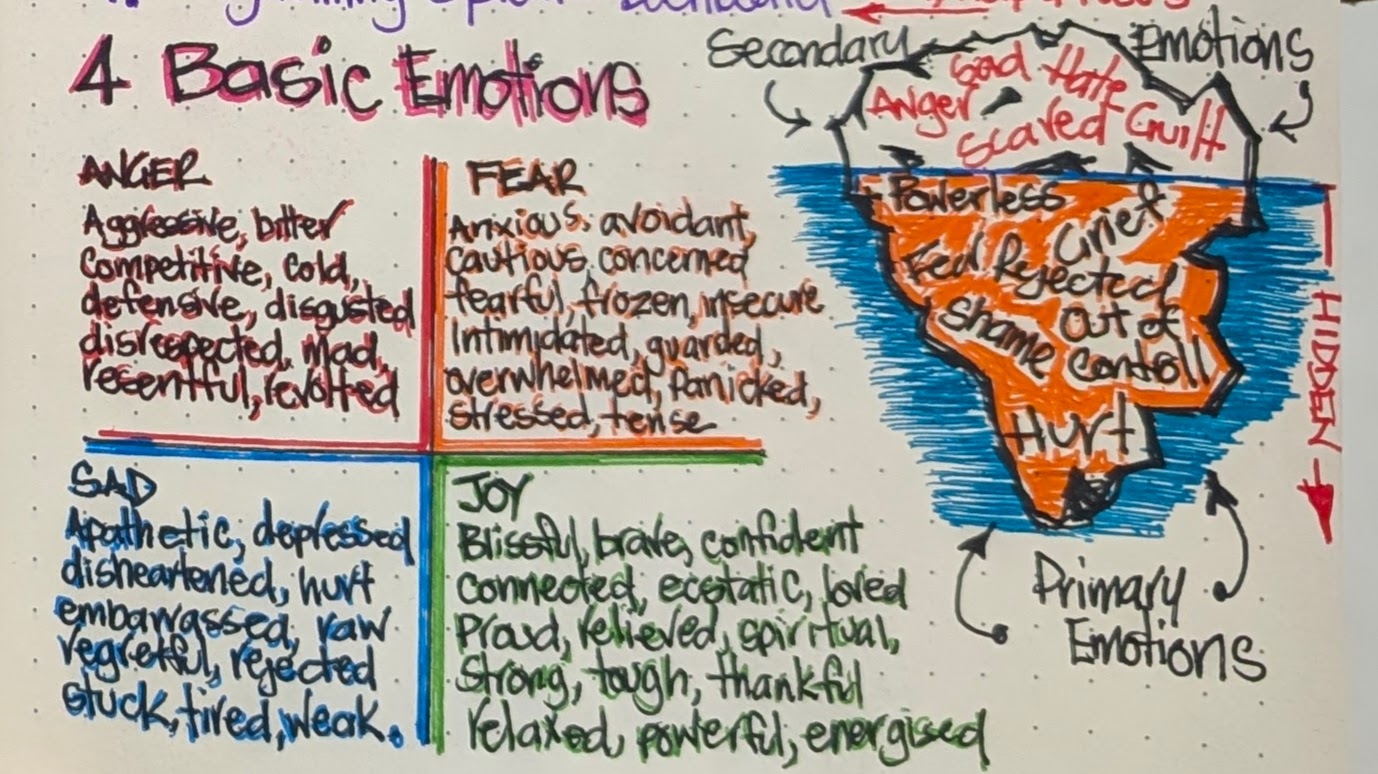
Bottom Line Up Front:
“An emotion is not just a feeling; it is a complex psychological state where your subjective experience, physiological reaction, and behavioral response act in unison to a specific event.”
We use the word “emotion” every day, but from a psychological perspective, it is more than just feeling happy or sad. It is a sophisticated process that helps us navigate our environment.
Here is the breakdown of what actually defines an emotion.
The Three Pillars of Emotion
Psychologists generally agree that for a state to be considered an “emotion,” it must involve three distinct components working together:
- Subjective Experience: This is the cognitive label you put on the feeling (e.g., “I feel nervous”).
- Physiological Response: This is what your body does without your permission (e.g., palms sweating, heart racing, adrenaline spiking).
- Behavioral Response: This is the outward expression or action prompted by the feeling (e.g., smiling, crying, running away, or shouting).
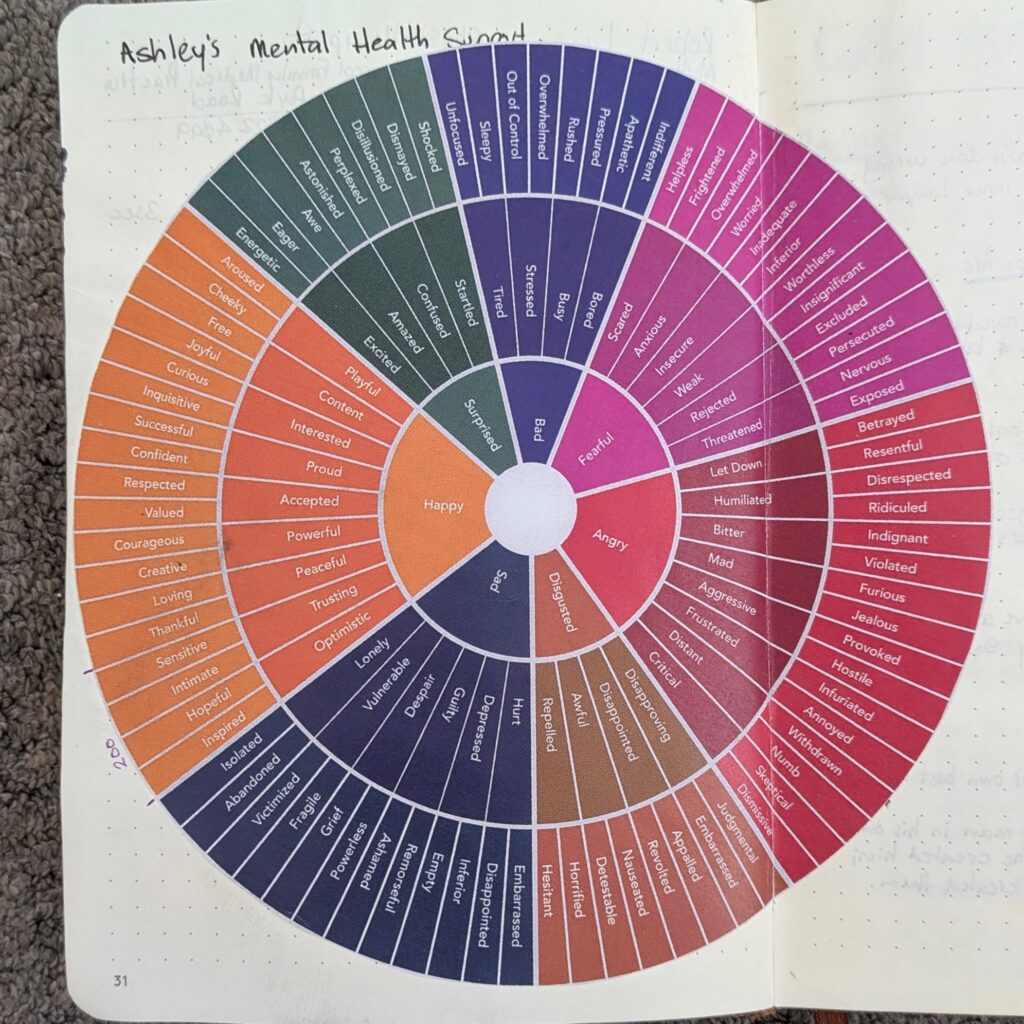
The “Big Six” Universal Emotions
While human feelings are nuanced, psychologist Paul Ekman identified six basic emotions that are recognized universally across cultures, regardless of language:
- Happiness
- Sadness
- Fear
- Disgust
- Anger
- Surprise
Photo of Page 31 Journal 01 – Tue 2nd July 2024
Emotion vs. Mood: What’s the Difference?
It is easy to confuse the two, but they have clear distinctions:
- The Trigger: Emotions have a specific cause (e.g., someone cut you off in traffic). Moods often lack a clear trigger.
- The Duration: Emotions are intense but short-lived (seconds or minutes). Moods are less intense but can persist for hours or days.